How to Organize an Upcycling Activity Using Non-Usable Used Clothes
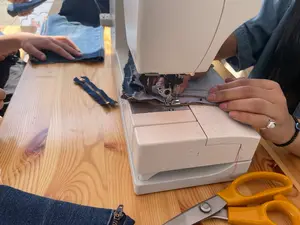
Upcycling worn-out clothes is a fun, eco-friendly way to reduce waste and spark creativity. Even garments that can’t be donated—those torn, stained, or hopelessly out of shape—can be transformed into something useful and beautiful. If you’re planning an upcycling activity for a community group, school, or workplace, here’s a simple guide to get you started.
1. Set a Clear Purpose
Decide what you want participants to create. Popular options include:
-
Tote bags
-
Fabric coasters
-
Scrunchies
-
Patchwork art
-
Cleaning rags or pot holders
Choosing a few simple projects helps keep the session organized and beginner-friendly.
2. Collect the Right Materials
Ask participants to bring non-usable clothes in advance. Aim for a mix of fabrics—denim, cotton, knits—so people have variety to choose from. Prepare additional tools:
-
Scissors
-
Needles and thread
-
Fabric glue or hot glue guns
-
Safety pins
-
Measuring tape
-
Embellishments (buttons, ribbons, patches)
3. Organize a Sorting Station
Before the activity begins, sort clothes into categories:
-
Usable fabric (good for cutting)
-
Thick or textured fabrics (great for bags or décor)
-
Fabric scraps (ideal for patchwork or stuffing)
A little pre-sorting saves time and helps participants pick materials easily.
4. Provide Simple Instructions
Demonstrate one or two beginner-friendly projects at the start. Offer printed or displayed step-by-step guides so participants can work at their own pace. Keep projects achievable—success builds confidence!
5. Encourage Creativity
Upcycling has no fixed rules. Encourage participants to mix fabrics, play with colors, and experiment. This is where the magic happens—everyone creates something unique.
6. Create a Display or Sharing Moment
Wrap up the session by allowing participants to show their creations. A small display wall or group photo adds a rewarding sense of accomplishment.
7. Plan What to Do With Leftover Scraps
Fabric scraps that are too small to reuse can be:
-
Donated to textile recycling centers
-
Used as stuffing for cushions or pet beds
-
Saved for future craft projects
This ensures the activity stays truly zero-waste.
An upcycling activity is more than just a craft session—it’s a step toward sustainability, creativity, and community bonding. With a little planning and a lot of imagination, even the most worn-out clothes can find a new life.