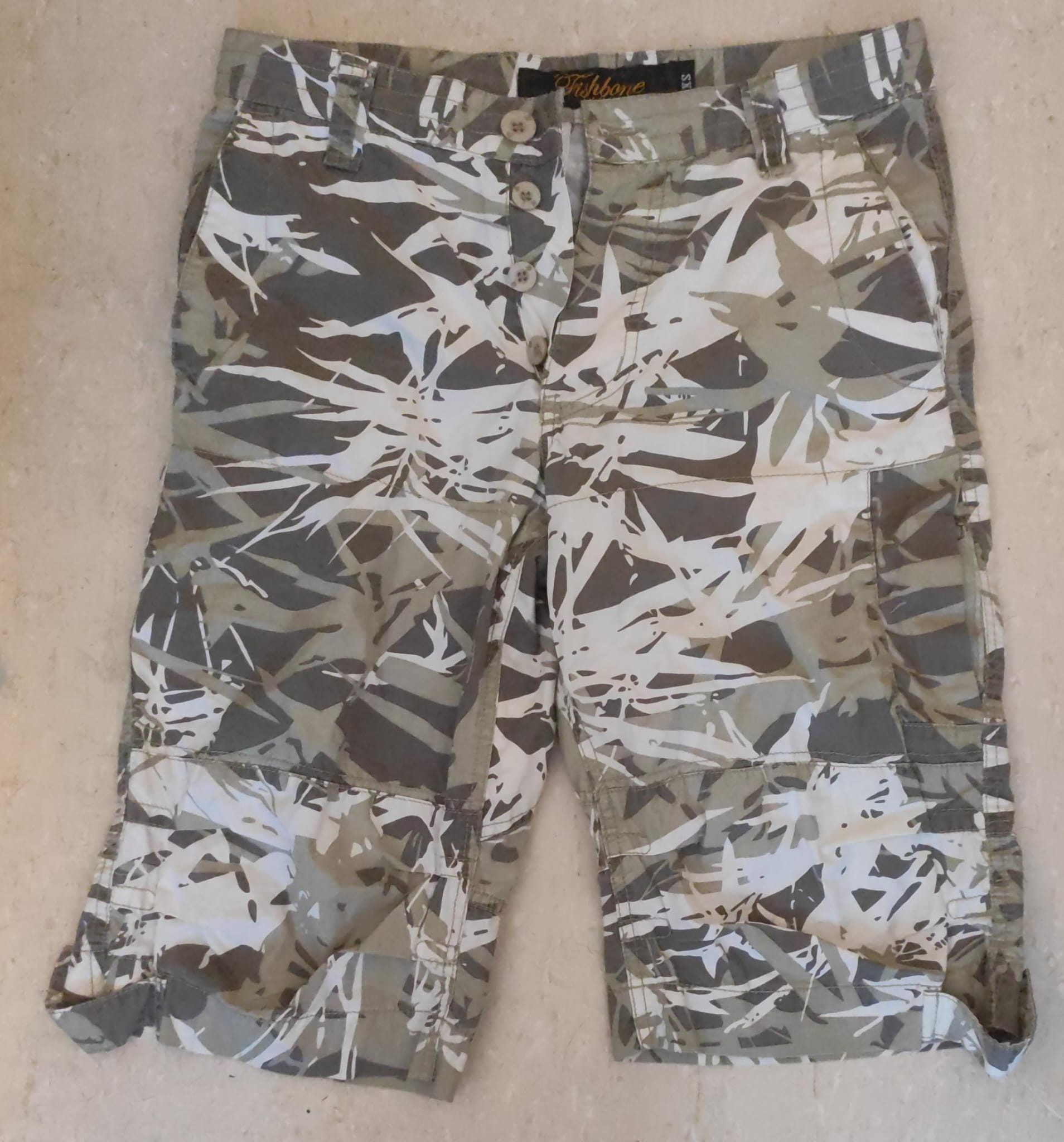
1.) Fresh Find – Tag-Free
Description:
Brand new and never worn, just missing the original tags or packaging. Perfect condition — like new, just more sustainable and budget-friendly.
Sustainability Impact:
Avoiding new production helps save about 3 kg of CO₂ emissions — roughly the same as driving a car for 15 kilometers.
2.) Lightly Loved
Description:
Worn once or twice and still in near-perfect condition. Think of it as fashion’s version of a soft launch — minimal signs of wear, maximum style.
Sustainability Impact:
By giving this item a second chance, you’re preventing about 0.5 kg of textile waste and saving around 1,800 liters of water — that’s equivalent to 20 showers.
3.) Well-Loved, Still Fabulous
Description:
Previously worn with visible signs of wear — gently faded seams, softened fabric, maybe a tiny scuff. Fully described and documented. Ready for its next stylish chapter.
Sustainability Impact:
By extending the life of this garment, you’re saving around 4 kg of CO₂ and potentially adding 2 more years to its wardrobe journey.
4.) Perfectly Worn-In
Description:
Frequently worn and full of character. Expect visible wear, a soft feel, and that cozy, lived-in charm. Every imperfection is part of its story — and honestly shown.
Sustainability Impact:
Wearing instead of discarding helps prevent around 1 kg of textile waste, while standing up to fast fashion with every wear.
5.) Project Piece
Description:
Not quite ready-to-wear — might be missing a button, have a small tear, or need some DIY love. Perfect for creatives, upcyclers, or anyone who sees the beauty in giving clothes a second life.
Sustainability Impact:
A simple repair can extend this item’s life by up to 3 more years, saving valuable resources and approximately 2 kg of CO₂.